
888 2444 268
Dr. Anupam Kumar Sharma is a senior urologist with more than 20 years of clinical and surgical experience in the management of kidney, urinary tract, prostate and male urological conditions.
Over the course of his career, he has worked with leading hospitals in India and has managed a wide range of routine as well as complex urological conditions.
His areas of practice include kidney and ureteric stones, prostate enlargement, bladder and urinary problems, urethral conditions and other urological disorders requiring medical, endoscopic or surgical treatment.

Garg Hospital provides evaluation, medical treatment and surgical care for a wide range of kidney, urinary, prostate, bladder and male urological conditions. From diagnosis and conservative management to endoscopic and surgical procedures when required, treatment is planned according to each patient's condition and clinical needs.
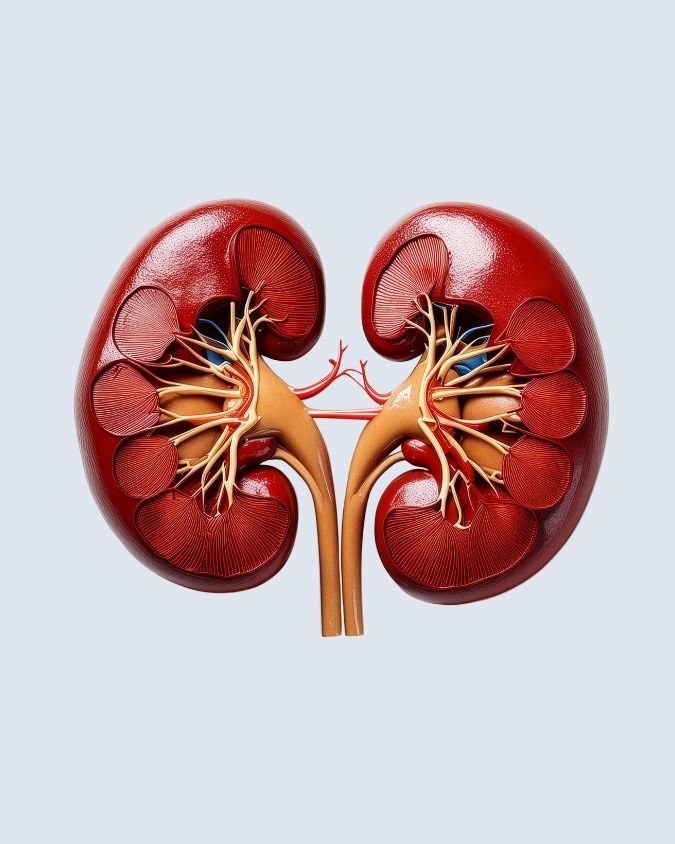
Kidney and ureteric stones can cause severe pain, urinary obstruction, infection or blood in urine. Treatment is selected according to the size, location and complexity of the stone.
Difficulty passing urine can result from prostate enlargement, bladder conditions, stones or narrowing of the urinary passage. Proper evaluation helps identify the underlying cause before medical or surgical treatment is advised.

Urology deals with conditions affecting the kidneys, ureters, urinary bladder, prostate and urinary tract, along with several conditions affecting the male urinary and reproductive system.
At Garg Hospital, patients can consult for kidney stones, difficulty passing urine, prostate enlargement, urinary infections, blood in urine and other urological concerns. Treatment is planned according to the underlying condition, its severity and the patient's overall health.
Stones can develop at different points in the urinary system. Symptoms and treatment depend on the size, location and type of stone, as well as whether it is causing pain, infection or obstruction.
Kidney stones may remain unnoticed or cause severe pain in the back or side, nausea, blood in urine or urinary discomfort.
Stones moving from the kidney into the ureter can cause intense pain that may travel towards the lower abdomen or groin.
Bladder stones can cause interrupted urine flow, frequent urination, discomfort or repeated urinary infections.
Repeated stone formation may require further evaluation to identify dietary, metabolic or urinary factors contributing to recurrence.
Small stones may sometimes pass without a procedure, while larger, obstructing or symptomatic stones may require intervention. The appropriate approach is selected after evaluating the stone and the patient's clinical condition.
The prostate commonly enlarges with age. Benign Prostatic Hyperplasia, or BPH, can interfere with normal urine flow and produce a range of urinary symptoms.
Not every enlarged prostate requires surgery. Evaluation helps determine whether observation, medicines or a procedure is appropriate for the individual patient.
Similar urinary symptoms can occur for very different reasons. Persistent, recurrent or worsening symptoms should therefore be properly evaluated rather than treated only on the basis of symptoms.
Urinary infections may cause burning while passing urine, urgency, frequent urination, lower abdominal discomfort or fever.
Blood in urine, known as hematuria, can occur with stones, infections, prostate conditions and several other urinary tract problems and should be evaluated.
Difficulty starting urination, a weak stream or incomplete bladder emptying can occur with prostate enlargement, obstruction or other urinary conditions.
Passing urine unusually often, particularly during the night, may be associated with bladder, prostate, urinary or metabolic conditions.
Loss of bladder control can have different causes. Treatment depends on the type of incontinence and the reason behind it.
Urinary retention occurs when the bladder cannot empty properly. Sudden inability to pass urine requires prompt medical assessment.
Urologists also evaluate and treat conditions affecting the male urinary and reproductive system.
A hydrocele is a collection of fluid around the testicle that can cause swelling or heaviness in the scrotum.
A varicocele is an enlargement of veins within the scrotum. In some patients it may be associated with discomfort or fertility concerns.
Phimosis occurs when the foreskin cannot be comfortably retracted. Treatment depends on symptoms, severity and the individual patient's condition.
Certain urinary, erectile or reproductive concerns may also require assessment by a urologist to identify the underlying cause.
Urological treatment can range from observation and medicines to endoscopic procedures or surgery. The recommended treatment depends on the diagnosis, symptoms and severity of the condition.
Endoscopic and other procedures may be recommended when urinary stones are unlikely to pass naturally or are causing obstruction, pain or complications.
Procedures may be considered for prostate enlargement when urinary obstruction is significant or symptoms do not improve adequately with conservative treatment.
Endoscopic evaluation and treatment may be used for selected bladder, urethral and urinary tract conditions.
Surgical treatment may be recommended for selected conditions such as hydrocele, phimosis and other male urological problems.
Urological symptoms often overlap. Diagnosis may therefore involve clinical examination together with laboratory tests, imaging or specialised investigations according to the patient's symptoms.
Urine examination may help identify infection, blood or other abnormalities affecting the urinary system.
Blood investigations may be used to assess kidney function or evaluate specific urological conditions.
Ultrasound can help examine the kidneys, urinary bladder, prostate and other parts of the urinary system.
Imaging may be recommended for certain stone problems, obstruction and other urinary conditions.
PSA testing and other prostate investigations may be advised for selected patients based on symptoms, age and clinical assessment.
Uroflowmetry and related investigations can help assess urine flow and bladder emptying where clinically appropriate.
A urological evaluation may be appropriate when urinary, kidney, prostate or male urological symptoms persist, recur or begin affecting daily life.
Sudden inability to pass urine, severe urinary symptoms accompanied by fever, or significant blood in urine may require prompt medical assessment.
Common questions patients have about kidney stones, prostate problems and urinary symptoms.
A urologist treats conditions affecting the kidneys, ureters, urinary bladder, urethra and prostate, along with several conditions affecting the male reproductive system.
Kidney stones may cause severe pain in the back or side, pain travelling towards the groin, nausea, blood in urine or urinary discomfort. Symptoms vary according to the size and location of the stone.
No. Some small stones can pass naturally. Treatment depends on the size and location of the stone, the patient's symptoms, infection and whether urinary flow is obstructed.
RIRS stands for Retrograde Intrarenal Surgery. It is an endoscopic technique used for selected kidney stones in which the kidney is accessed through the natural urinary passage using a flexible scope.
Symptoms can include difficulty starting urination, a weak urine stream, frequent urination, waking repeatedly during the night to urinate and a feeling that the bladder has not emptied completely.
No. Kidney stones are one possible cause, but urinary infections, prostate conditions and other urinary tract problems can also cause blood in urine. Medical evaluation is therefore important.
A urologist specialises in conditions affecting the urinary system. Persistent difficulty urinating, blood in urine, recurrent infections, urinary stones and other ongoing urinary symptoms can warrant urological evaluation.
In some patients, the risk of recurrence can be reduced after identifying contributing factors. Recommendations regarding fluids, diet or medical treatment depend on the type and cause of the stones.
For kidney stones, prostate symptoms, urinary problems or other urological concerns, consult Dr. Anupam Kumar Sharma at Garg Hospital.